During a recent workshop, a participant joked,
“My calendar is like a playlist on shuffle – nothing related, no pattern, and definitely no rhythm.”
The room laughed because everyone recognised it. It’s a familiar sign that the calendar isn’t designed for focus, just filled with activity.
Context switching is one of the biggest hidden drains on modern leadership performance, and most leaders underestimate just how costly it is.
A meeting about strategy.
A quick reply to Slack.
A performance conversation.
Back to email.
Then a decision that requires real thinking.
Your brain is constantly resetting.
Every time you switch tasks, you lose cognitive momentum. Add meetings, messages, and interruptions, and it’s no wonder many leaders feel mentally scattered before the day is even half over.
The Hidden Cost Of Context Switching
The leaders who perform consistently well aren’t necessarily more disciplined.
They’re more designed.
They intentionally structure their time so their brain can settle into deeper thinking instead of living in a constant state of reaction.
It’s a mindset echoed in: How To Become A Better Leader, where deliberate design replaces default busyness.
Why High Performers Design Their Time
Here are a few simple patterns I’ve seen work well:
- Theme your mornings for strategic or complex work.
- Batch operational tasks into grouped time blocks rather than sprinkling them across the day.
- Protect one uninterrupted hour each day for thinking, not reacting.
- Create meeting-free zones so context switching doesn’t dominate your calendar.
The idea of protecting deep thinking windows is explored further in: Protect Your Prime Hours: Deep Work Before the Noise.
Designing Around Energy, Not Just Tasks
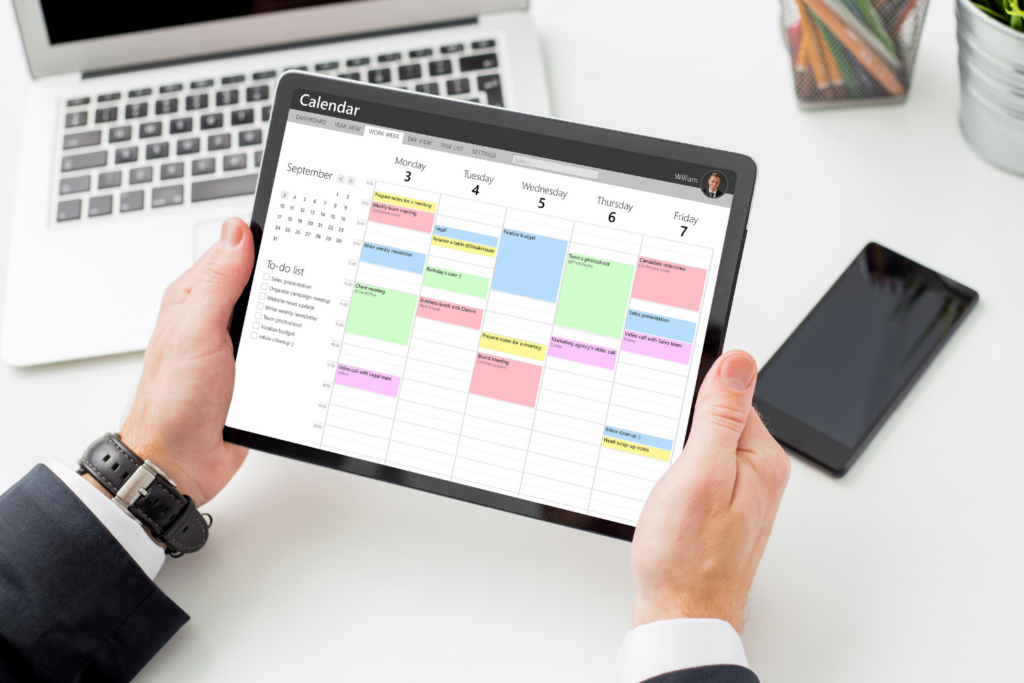
One senior leader shared how she started colour-coding her calendar around energy rather than task type: deep thinking in her brightest hours, admin in lighter windows, and recovery moments after heavy conversations.
It sounds simple, but it fundamentally changed how effective she felt at the end of each day.
Focus is not a personality trait.
It’s an environment you create.
And when that environment is designed well, performance sharpens – not because you try harder, but because your brain finally gets the space to concentrate.
For leaders wanting to embed this more intentionally, this is often where leadership development training helps turn insight into consistent practice.
When you look at your calendar this week, is it designed for focus – or just filled with activity?
Frequently Asked Questions
Why Does Context Switching Reduce Leadership Performance?
Each switch forces your brain to reset. Over time, those resets fragment attention and reduce the quality of thinking required for strategic leadership.
How Much Uninterrupted Time Do Leaders Actually Need?
Even one protected hour per day can significantly improve clarity and decision-making. Consistency matters more than duration.
Should Leaders Batch Meetings Together?
Where possible, yes. Grouping similar conversations reduces cognitive switching and preserves deeper thinking windows.
What If My Role Feels Too Reactive To Redesign My Calendar?
Most roles contain more design freedom than we assume. Start small – protect one thinking block and adjust gradually.
Is Focus A Discipline Or A Structural Issue?
Both matter, but structure often comes first. A well-designed calendar supports discipline instead of constantly testing it.