
Deliberate Strategy
A leadership strategy that connects
vision to action.
A deliberate leadership strategy serves as the essential roadmap connecting vision to action. Designed to support leaders navigating complexity and growth, it creates clarity around priorities, decision-making, and long-term direction.
Carefully crafted to adapt and evolve with organisational needs, a strong leadership strategy sets clear measures for success and fosters shared purpose across leaders and teams. With this clarity, each team member understands their role and contribution, enabling organisations to move from vision to sustained progress through focused execution and intentional prioritisation.
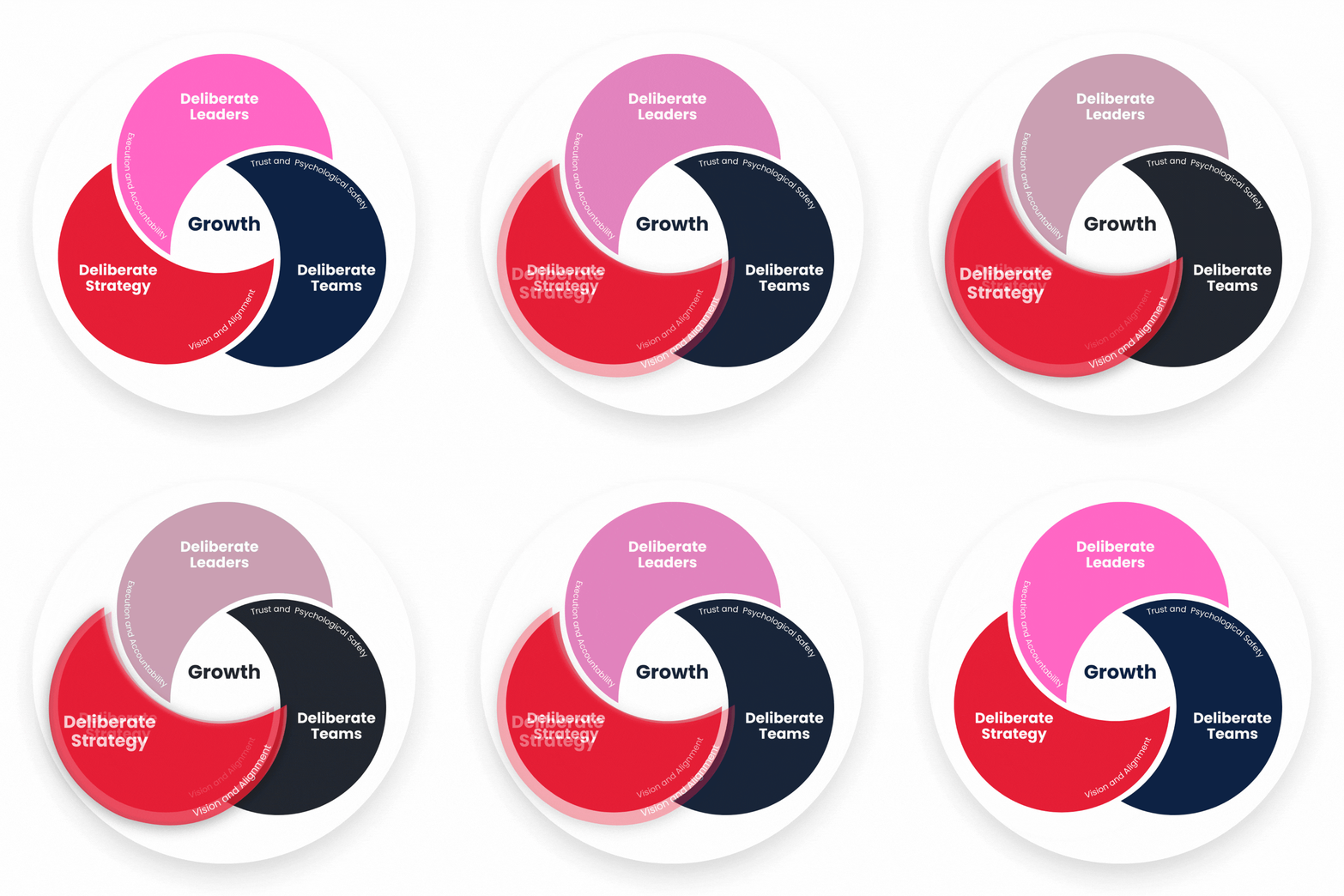
Mapping a Leadership Strategy from Vision to Reality
In today’s fast-paced business environment, leaders face competing priorities, uncertainty, and constant pressure to respond to short-term demands. Shifting from reactive leadership to a deliberate approach is critical for achieving sustainable success.
A clear leadership strategy helps organisations move beyond day-to-day firefighting and align decisions, people, and priorities with long-term goals. Without an intentional strategy, organisations risk losing direction, falling into inefficient decision-making, and drifting away from their strategic objectives.
Crafting and executing a deliberate strategy requires intentional planning, disciplined execution, and ongoing alignment. Through leadership strategy development, we partner with leaders to:
- Develop a clear, focused, and adaptable leadership strategy
- Align leaders and teams around a shared vision and measurable goals
- Make thoughtful, informed decisions that support sustainable growth
- Foster accountability, ownership, and engagement across the organisation
Pillars of a Deliberate Strategy
Define a Clear and Aligned Vision
A clear, compelling vision is the cornerstone of deliberate strategy. It sets the direction and inspires teams by creating alignment between individual contributions and organisational objectives. When leaders articulate and communicate this vision consistently, they unify their teams and provide a shared sense of purpose.
Make Data-Driven Decisions
Data-driven decision-making removes guesswork and ensures strategic choices are grounded in reality. By leveraging facts, trends, and realistic projections, leaders can navigate uncertainty with confidence and maintain focus on initiatives that drive measurable results.
Empower Teams with Ownership
Successful strategies depend on team engagement and accountability. When leaders empower individuals to take ownership of their goals and initiatives, they foster a culture of personal investment and commitment. This alignment ensures that every team member is actively contributing to the success of the strategy.
Stay Focused on Long-Term Goals
In the face of short-term challenges, it’s easy to lose sight of long-term objectives. A deliberate strategy emphasises staying on course, using tools like strategic roadmaps, quarterly reviews, and goal-setting frameworks to maintain alignment and momentum.
Foster Continuous Adaptability
The business landscape is ever-changing, and rigid strategies can quickly become obsolete. Deliberate strategies build flexibility into their frameworks, allowing for regular reviews and adjustments. This adaptability ensures organisations remain responsive and resilient.
Communicate Consistently
and Effectively
Clear communication is essential to strategy execution. Regular updates, open feedback channels, and consistent messaging keep teams aligned and engaged. Leaders who prioritise communication build trust and ensure everyone understands their role in achieving the vision.
Define a Clear and Aligned Vision
A clear, compelling vision is the cornerstone of deliberate strategy. It sets the direction and inspires teams by creating alignment between individual contributions and organizational objectives. When leaders articulate and communicate this vision consistently, they unify their teams and provide a shared sense of purpose.
Make Data-Driven Decisions
Data-driven decision-making removes guesswork and ensures strategic choices are grounded in reality. By leveraging facts, trends, and realistic projections, leaders can navigate uncertainty with confidence and maintain focus on initiatives that drive measurable results.
Empower Teams with Ownership
Successful strategies depend on team engagement and accountability. When leaders empower individuals to take ownership of their goals and initiatives, they foster a culture of personal investment and commitment. This alignment ensures that every team member is actively contributing to the success of the strategy.
Stay Focused on Long-Term Goals
In the face of short-term challenges, it’s easy to lose sight of long-term objectives. A deliberate strategy emphasizes staying on course, using tools like strategic roadmaps, quarterly reviews, and goal-setting frameworks to maintain alignment and momentum.
Foster Continuous Adaptability
The business landscape is ever-changing, and rigid strategies can quickly become obsolete. Deliberate strategies build flexibility into their frameworks, allowing for regular reviews and adjustments. This adaptability ensures organizations remain responsive and resilient.
Communicate Consistently and Effectively
Clear communication is essential to strategy execution. Regular updates, open feedback channels, and consistent messaging keep teams aligned and engaged. Leaders who prioritize communication build trust and ensure everyone understands their role in achieving the vision.
Ready to Lead with Purpose and Precision?
As part of the broader leadership development approach at The Deliberate Leader, our leadership strategy work helps leaders create clarity, alignment, and momentum across their organisation.




Discover how we can help you craft and implement a deliberate strategy that guides your team and organisation to success. With our expert coaching, you’ll gain the tools to:
- Define and communicate a compelling vision.
- Empower your team to take ownership of their roles.
- Stay focused on long-term objectives while remaining adaptable to change.
Take the next step toward intentional leadership. Contact us today to start building a leadership strategy that supports sustainable growth and long-term success.