Another International Women’s Day has come and gone.
Like many women, I’ve marked it enthusiastically in the past. I’ve written posts thanking the women who shaped my career. I’ve attended breakfasts, spoken on panels and even hosted events.
But after 46 years on this planet as a woman, I’ve started to wonder whether we’ve turned International Women’s Day into something it was never meant to be.
Somewhere along the way, it has begun to feel less like a movement and more like a marketing opportunity. I refuse to contribute to the largely meaningless stream of posts and sentiments. According to the data, it does nothing, and quite frankly I’ve had enough.
Cupcake bakeries release themed boxes. Corporate panels fill the calendar. Event companies and organisations host business breakfasts, panels and keynote sessions. Social feeds are filled with photographs of people on stages holding microphones.
And then, by the end of the second week in March, the conversation largely disappears.
The irony is that International Women’s Day was never meant to be a one-day celebration. Its origins lie in labour movements of the early 20th century, when women marched for safer working conditions, voting rights and fair pay. The first official International Women’s Day gatherings took place in 1911, when more than a million people attended rallies across Europe.
It was protest, not pastries.
And yet the issues those women marched for remain stubbornly present.
Globally, nearly one in three women experience physical or sexual violence in their lifetime, according to the World Health Organisation.
Women still earn, on average, around 20 per cent less than men worldwide, according to the United Nations.
In Australia, the national gender pay gap sits at 11.5 per cent, according to the Workplace Gender Equality Agency (March 2026).
And despite decades of progress, women remain underrepresented in leadership. Women hold just 14 per cent of CEO roles in the ASX 300, according to data from Chief Executive Women (2025).
These are not problems that can be solved with a breakfast event.
That’s why this year, rather than scrolling through the usual parade of International Women’s Day posts, I found myself thinking about a group of women on the other side of the world.
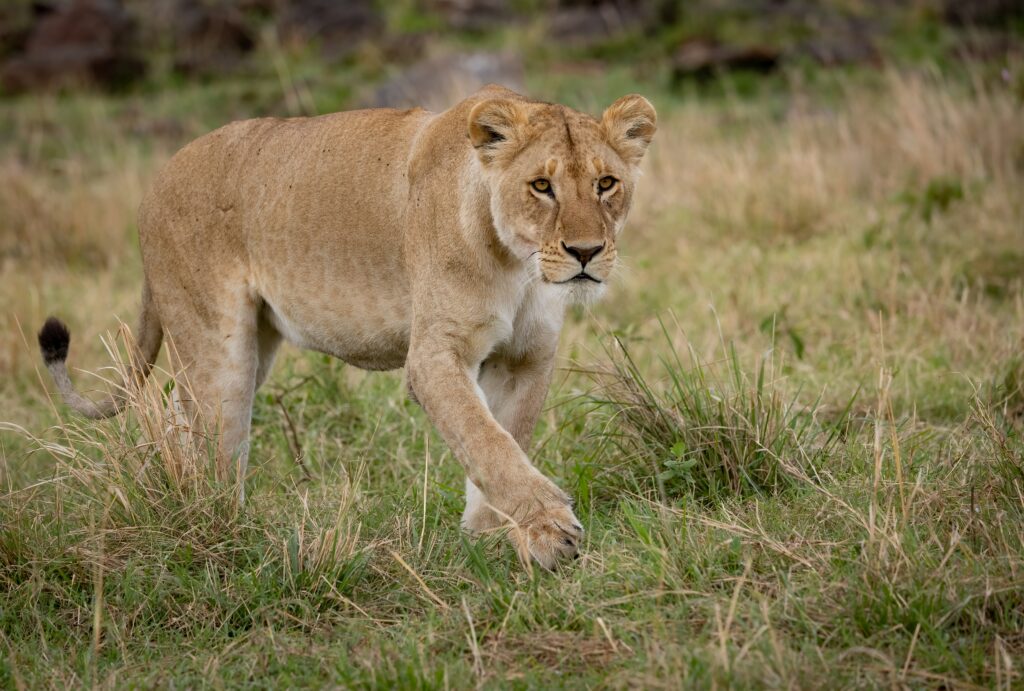
The Iranian women’s football team — often referred to as the Iranian Lionesses — have repeatedly refused to sing their country’s national anthem at international competitions. It is a quiet but unmistakable protest against the treatment of women in Iran.
They stand there in silence, in front of the world, knowing exactly what it could cost them.
Because in Iran, dissent — especially from women — is not symbolic. It can lead to harassment, detention or worse.
Which is why what happened next mattered.
Australia stepped in.
In a move that should make us all proud, the Australian government granted visas to members of the team, recognising the danger they faced for taking a stand. In a world where women are still punished for speaking up, that decision didn’t just send a message — it offered protection.
And that, to me, felt far closer to the spirit of International Women’s Day than another panel discussion ever could.
Real progress rarely happens on stages with branded banners behind the speakers. It happens when people take risks, when systems are challenged, and when countries choose to stand beside those fighting for their rights.
International Women’s Day shouldn’t simply be a moment for celebration. It should be a moment of courage.
Because the women who first marched for International Women’s Day weren’t asking for cupcakes, hashtags or photo opportunities.
They were demanding change.
If the day is to mean anything at all, it can’t just be a moment of recognition. It has to be a moment of responsibility.
A moment to ask ourselves not how loudly we celebrate women, but how seriously we are prepared to stand beside them.
To challenge injustice when we see it. To support policies and decisions that protect women’s rights and safety. And to back the women who are brave enough to risk everything to push those boundaries forward.
Women like the Iranian Lionesses.
Because real progress doesn’t begin with applause.
Sometimes, it begins with standing silently — and refusing to sing.